“I can’t answer half the time.
I’m scrubbed.”
— Orthopedic trauma surgeon, Las Vegas
Your on-call line answers, takes the whole consult, and waits for one decision from you.
Tap a decision on the panel and watch what goes out.
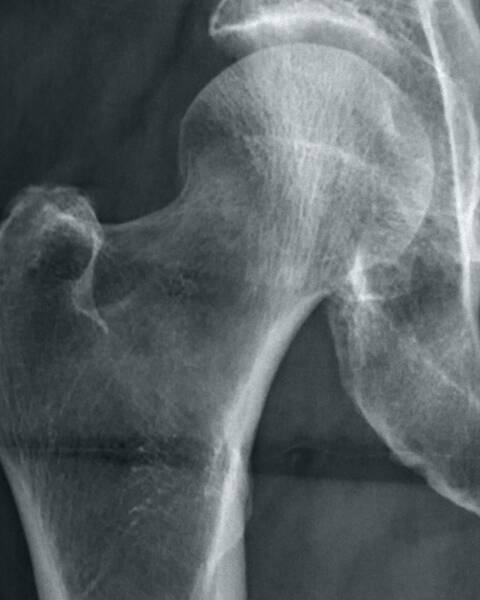 AP
AP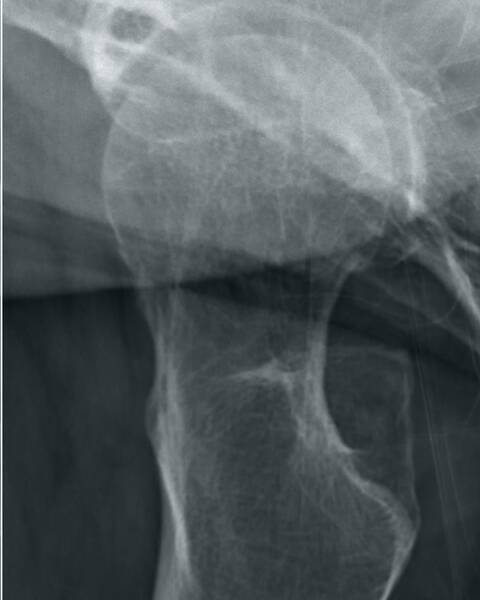 LATERAL
One message. Everything you need to decide.
One hip fracture, two nights.
The ER doesn’t change how it reaches you. Everything after that does.
Tonight
- ER: X-ray photo, no name
- You: “Patient’s name? Info?”
- ER: name, DOB, two MRNs
- You: “Likely hemi tomorrow”
- You: text the house supervisor
- Supervisor: “What time are you thinking?”
- You: text the implant rep. Twice.
With PaigeFlow
- The line collects the case and both X-ray views
- You get one message and tap: hemi, tomorrow after 4
- The ER is told, with NPO instructions
- The OR front desk gets the add-on request
- The implant rep gets the time and the implant
- The family gets an explanation of the surgery
- Your consult note is written and waiting
Three steps, and only one of them is yours.
The ER physician texts or calls the same number they always would. Nothing to install, nothing for them to learn.
They reach your line
Text with an X-ray or call and talk. The assistant asks only for what’s missing — name, DOB, MRN, side, pattern — and won’t close the consult without both views.
You get one message
Images and the full case in a single text. Tap a procedure and a time window, or just reply the way you already text: “hemi tomorrow after 4, need FA.”
Everyone downstream is told
The ER, the OR desk or house supervisor, the implant reps, and the family — each gets exactly what they need, in the format they already expect.
What it handles while you’re operating.
Everything on this list started as a complaint from a surgeon on call.
Open fracture, right now
Exposed bone, vascular compromise, spinal cord injury: the assistant stops collecting and bridges the caller to your cell in about three seconds. If you can’t answer, it works down to your backup and then texts the case.
Times that keep moving
The OR desk texts “pushed to 6” and everyone on the case is told at once — you, anesthesia, the reps, the ER. Anyone can text “status Dana” and get the current answer instead of texting you.
Clearances and holds
“Echo pending” from the floor puts the case on hold and tells you once. “Cleared” puts it back. You stop being the person who relays medicine clearance to the OR.
The family, before surgery
With consent from the bedside, the patient’s family gets a plain-language explanation of the procedure in your words. Their questions land on your consult card, so you walk into the room already knowing what they’re worried about.
The patient you discharged at 2 a.m.
Ankle and wrist patients get texted their clinic follow-up and confirm when they’ve booked. The ones who haven’t show up on a list, instead of falling through.
Your consult note
Every call and text assembles into a note in your hospital’s field order — reason, HPI, history, plan. Copy, edit, sign. Nothing is invented; anything not captured stays blank.
For emergency departments and hospital administration.
Every consult is timestamped from the moment the ER reaches the line to the moment the OR is notified. That record belongs to the practice.
Start with one hospital and one call night.
No implementation project and no committee. You set up a line, forward it when you go on call, and see what the next consult looks like.
A solo surgeon
- One line per hospital you cover
- Text and voice intake
- Urgent bridge with backup coverage
- OR desk and implant rep notifications
- Consult notes and your dashboard
A group practice
- Everything a solo surgeon gets
- Call schedule routing
- PA and NP decision access
- Practice-wide reporting
- Shared front-office dashboard
Pricing is set with our first practices. Early adopters keep founding rates.
What it never does.
The assistant is a stenographer and a switchboard. Every clinical judgment is yours, and the system only ever tells someone what it actually did.
- No medical advice, to anyone, ever
- No reading or interpreting imaging
- No suggesting a procedure or a plan
- No triage decisions about a patient
- No claim that you were notified unless you were
- No detail invented to fill a gap
See it take a consult.
Send a fictional consult the way an ER physician would, and watch the line assemble the case and format it for a surgeon’s phone.
Fictional patients only. Nothing you send is stored.